
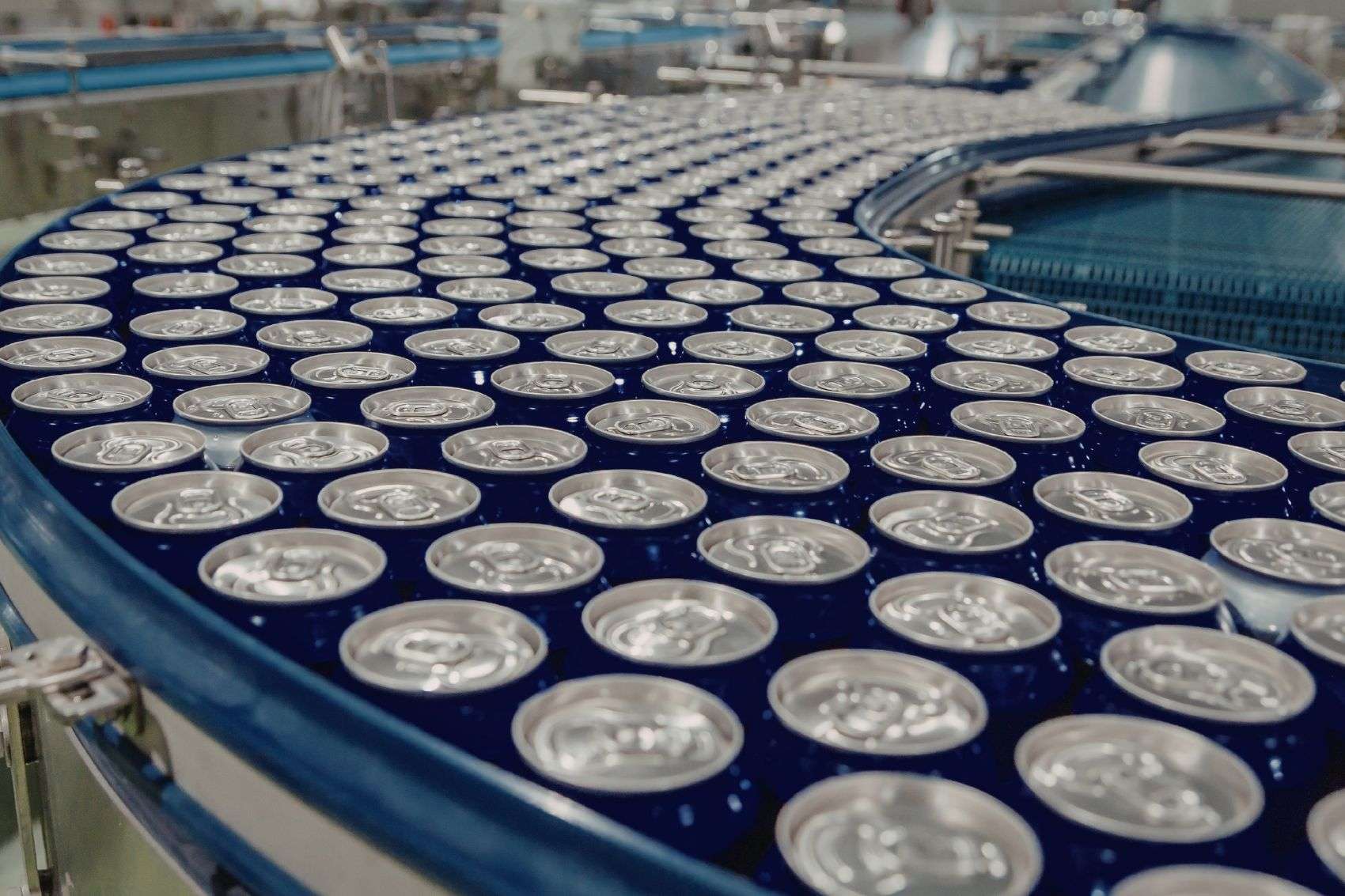
Automated Cold Storage Warehouse Cost is a hot topic in the cold storage industry. As consumer demand for fresh and frozen products continues to surge, food producers and distributors face unprecedented pressure to scale their operations. In 2026, the traditional refrigerated warehouse is no longer sufficient for leaders seeking a competitive edge. Consequently, many organizations are turning toward automation to address labor shortages, rising land prices, and energy volatility. However, transitioning to high-tech infrastructure requires a clear understanding of the financial commitment involved.
In this article, you will learn about:
- Current 2026 benchmarks for cold storage construction costs.
- The primary drivers behind the automated cold storage warehouse cost.
- How automated cold storage systems influence long-term ROI and scalability.
- The strategic benefits of integrating AI energy management into your facility design.
The Evolution of Cold Chain Infrastructure
The shift toward automation is not merely a trend; it is a fundamental evolution in how we manage temperature-controlled supply chains. In previous decades, a warehouse was simply a box for storage. Today, it is a high-performance machine. For CEOs and operational leaders, the decision to automate is often driven by the need for consistency and reliability.
Building a facility today requires more than just insulation and refrigeration. It requires an integrated approach that combines advanced engineering with data-driven technology. At Ti Cold, we leverage over 30 years of experience to deliver award-winning designs that prioritize these modern requirements.
Decoding Cold Storage Construction Costs in 2026
When calculating your initial investment, it is essential to distinguish between a standard dry warehouse and a specialized cold storage facility. The technical requirements for the latter are significantly higher.
In 2026, cold storage construction costs for a modern, automation-ready facility typically range from $240 to $350 per square foot. This estimate covers the building shell, the sophisticated insulation systems, and the heavy-duty refrigeration equipment. In contrast, a standard dry warehouse might only cost between $85 and $150 per square foot.
Several factors contribute to this premium:
- The Building Envelope: Thicker insulated panels and high-performance vapor barriers are necessary to maintain sub-zero temperatures.
- Specialized Flooring: Automated systems require super-flat floors with under-floor heating to prevent frost heave, which can devastate a foundation.
- Refrigeration Complexity: The need for precise temperature zoning: ranging from coolers to deep-freeze environments: adds significant mechanical cost.
While the building shell is expensive, the implementation of automated cold storage systems represents the next tier of investment. Automation hardware: including Automated Storage and Retrieval Systems (AS/RS), shuttles, and conveyors: can add another 20% to 40% to the total project budget.
For a 100,000-square-foot facility, the automation and controls layer often requires an additional $5 million to $15 million. While these figures may seem daunting, it is important to view them through the lens of density and throughput. An automated high-bay warehouse can store significantly more product in a smaller footprint than a traditional facility. This means you can build “up” instead of “out,” saving on land costs and reducing the overall volume of air that needs to be cooled.
Calculating the ROI: Labor, Density, and Efficiency
The automated cold storage warehouse cost is high at the outset, but the return on investment (ROI) is often achieved within three to seven years. For many producers, this timeline is shortening as labor and energy costs continue to rise.
Labor Savings and Reliability
Labor is one of the highest operating expenses in a cold warehouse. Working in sub-zero temperatures is physically demanding, leading to high turnover and recruitment costs. Automation mitigates this risk by reducing the headcount required for pallet movement and order picking. This creates a more stable, reliable operation that can run 24/7 without fatigue.
Maximizing Storage Density
By utilizing AS/RS, companies can increase storage density by up to 50% compared to traditional racking. When you consider that every cubic foot of refrigerated space costs money to maintain, maximizing that space is a direct path to profitability. This density is a key component of our Box-in-a-Box solutions, which allow for rapid expansion within existing footprints.
Reduced Product Shrink
Automation minimizes human error. Precise tracking through a Warehouse Management System (WMS) ensures better rotation of perishable goods. Furthermore, automated handling reduces physical damage to pallets and packaging, protecting your bottom line from unnecessary losses.
Factors Influencing Total Automated Cold Storage Warehouse Cost
No two facilities are identical. Several variables will determine where your project falls on the cost spectrum:
- Temperature Requirements: Deep-freeze zones (below -10°F) require more insulation and energy than cooler zones (34°F+).
- Throughput Volume: High-velocity facilities require more robust conveyor systems and faster robotics, which increases the price.
- Regional Labor and Material Costs: Construction costs vary by geography. Our team at Ti Cold uses market analysis and site selection expertise to find the most cost-effective locations for our clients.
- Integration of AI Energy Management: While adding an AI layer for energy optimization carries an upfront cost, the 5% to 20% reduction in monthly power bills significantly accelerates your ROI.
Scalability and Future-Proofing for Producers
For food producers, the ability to scale is non-negotiable. Building a facility that is “automation-ready” even if you do not implement full robotics on day one is a strategic move. This involves designing the slab and electrical infrastructure to support future upgrades.
In 2026, future-proofing also means planning for sustainability. New regulations regarding refrigerants are shifting the industry toward low-GWP (Global Warming Potential) options like ammonia or CO2. Incorporating these systems now avoids the massive expense of a retrofit in five years. Ti Cold stays at the forefront of these innovations to ensure your facility remains compliant and efficient for decades.
Conclusion
Investing in an automated cold storage facility is a high-stakes decision that requires specialized expertise. While the automated cold storage warehouse cost involves a significant capital outlay, the long-term benefits of labor stability, extreme density, and energy efficiency are undeniable. By understanding the nuances of cold storage construction costs and the ROI of automated cold storage systems, leaders can build infrastructure that is not just a storage site, but a strategic asset.
At Ti Cold, we specialize in delivering high-performance, custom facilities that are built on time and on budget. We invite you to explore our recent news and project updates to see how we are engineering the next generation of cold storage.
Ti Cold – Automated Cold Storage Warehouse Cost
At Ti Cold, we specialize in delivering facilities that meet the highest standards for temperature control, energy efficiency, and regulatory compliance.
Make sure to follow us on Facebook for more insights into the cold storage industry!