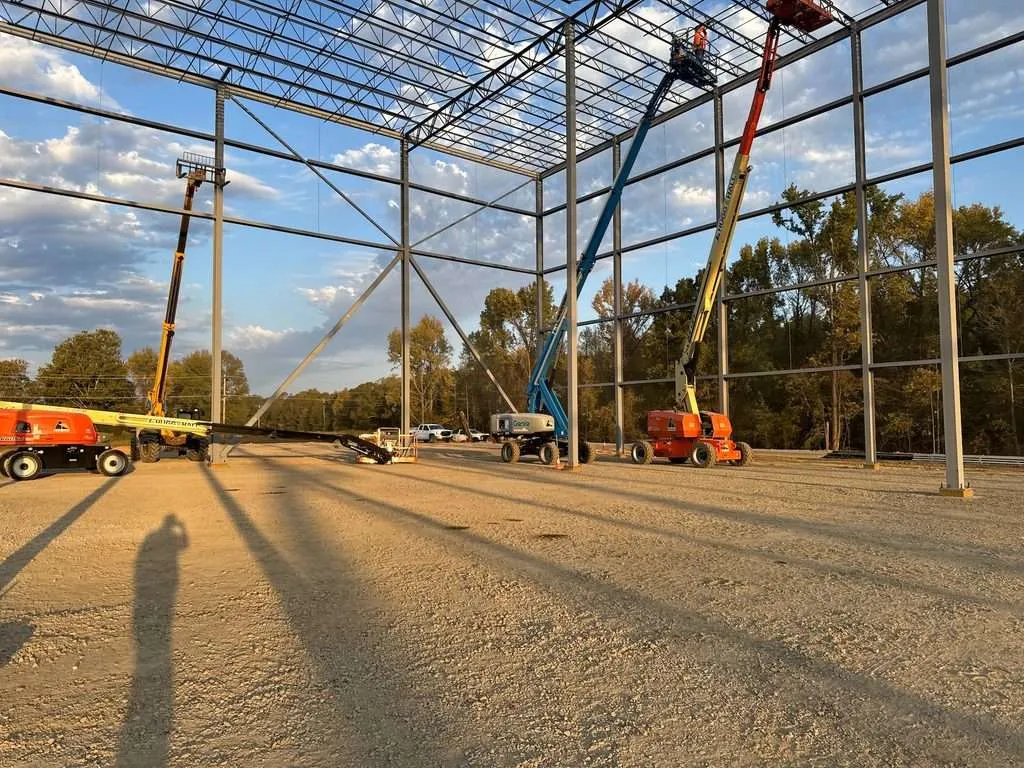
A food processing plant expansion can create room for growth, but added square footage alone will not solve every capacity problem. The project must support production, cold storage, sanitation, staffing, and shipping as one connected operation. Otherwise, a larger building may still leave the same bottlenecks in place.
Successful expansion starts with a clear understanding of how products move through the plant. It also requires an honest review of where time, labor, energy, and storage capacity are being lost. When those findings guide the design, a producer can add capacity while improving the entire operation.
Ti Cold helps food producers plan, engineer, and build expansions around real operating goals. That approach creates a facility that supports current demand and prepares the business for what comes next.
Growth often puts pressure on several parts of a plant at once. Production lines may run faster, while staging areas remain the same size. Freezers may fill before outbound loads can move. Docks may become crowded, and employees may spend more time moving products between disconnected areas.
In that situation, adding storage space can help. However, the location and design of that space will determine its value. A poorly placed addition may increase travel distances or create more product touches. It can also make sanitation, supervision, and temperature control more difficult.
A better food processing plant expansion connects capacity to workflow. The new space should help products move more directly from receiving through processing, packaging, freezing, storage, and shipping. As a result, the plant gains usable throughput instead of square footage that operates in isolation.
Before design begins, the project team should define the problem that the expansion must solve. Rising sales may be the reason for growth, but the actual constraint could sit elsewhere. For example, limited freezer space may slow production even when processing equipment has available capacity.
The team should review current production volume, seasonal peaks, projected growth, product mix, and customer requirements. In addition, managers should document where delays occur during a normal shift. Those observations often reveal issues that do not appear in a basic capacity report.
Ti Cold begins cold storage planning with feasibility, budget, site, and operating considerations. This early work helps owners establish realistic goals before construction decisions narrow their options. It also gives the design team a shared definition of success.
Plant capacity is only as strong as its tightest constraint. Therefore, expansion planning should examine every step that affects product flow. Processing equipment, packaging lines, blast freezing, pallet staging, storage, docks, and labor all influence daily output.
The review should compare average demand with peak demand. It should also account for cleaning windows, maintenance, changeovers, and unexpected delays. A system that works during a typical week may struggle during seasonal surges or promotional periods.
Product flow should shape the layout from the start. Raw materials, finished goods, employees, packaging, waste, and maintenance traffic each need logical paths. Those paths should reduce unnecessary crossings while supporting food safety and efficient work.
First, map the current process from receiving to outbound. Next, identify every transfer, hold point, temperature change, and inspection step. Then, compare the current path with the desired future process. This exercise helps the design team place rooms, doors, docks, conveyors, and storage zones with purpose.
The USDA guide to designing food facilities emphasizes early planning around feasibility, location, utilities, access, regulations, and layout. Although every operation differs, the principle remains consistent. Early decisions influence cost, function, and long-term success.
Cold storage often becomes the limiting factor as a food plant grows. When finished products wait for freezer space, production may slow even if the line can make more. Meanwhile, off-site storage can add transportation, handling, scheduling, and inventory coordination.
Plant-adjacent cold storage can remove some of that friction. Products can move directly from packaging or freezing into controlled storage. This shorter path reduces handling and supports a steadier flow toward outbound shipping.
However, the connection must fit the operation. The design should account for temperature transitions, door activity, pallet movement, staging, fire protection, and sanitation boundaries. It should also consider how future production lines may connect to the same system.
Ti Cold develops cold storage expansion solutions for food producers around throughput, uptime, and operational control. The goal is not simply to make the freezer larger. The goal is to help the plant perform better as one connected facility.
Every food processing plant expansion must support the facility’s food safety plan. New construction can change traffic patterns, sanitation zones, drainage, air movement, and access points. Therefore, food safety leaders should participate during planning and design.
The FDA Current Good Manufacturing Practices address plant design, equipment, sanitary operations, facility sanitation, and production controls. These requirements make compliance a design issue as well as an operating issue.
The project team should review clean and unclean routes, employee movement, waste removal, washdown needs, and pest control access. In addition, the design should provide enough room for safe cleaning and maintenance. Tight spaces may save square footage, but they can make daily sanitation slower and less reliable.
Refrigeration, electrical service, water, sewer, drainage, and fire protection can define the limits of an expansion. For that reason, utility review should begin early. Waiting until detailed design may expose costly upgrades after the project scope has already formed.
The refrigeration system must support product loads, room temperatures, door activity, defrost cycles, and seasonal conditions. It should also provide flexibility for future changes. In addition, the plant needs controls that give operators useful information and support consistent performance.
Safety remains essential. Facilities that use ammonia should review applicable requirements and recognized practices during planning. OSHA’s ammonia refrigeration resources provide information about system hazards, operating controls, and process safety considerations.
Ti Cold brings cold storage engineering into the project early. Structural, mechanical, electrical, refrigeration, and fire protection decisions can then develop together. This coordination reduces conflicts and supports a more efficient final design.
Expanding an active food plant requires a different strategy than building on an empty site. Production schedules, sanitation controls, employee routes, deliveries, and utility connections must continue while construction moves forward.
Phasing becomes one of the most important planning tools. The team should identify temporary routes, protected work zones, utility tie-ins, shutdown windows, and critical handoffs before work begins. Clear sequencing helps contractors complete each phase without creating unnecessary risk for plant operations.
A strong food processing plant expansion plan protects uptime from the beginning. It treats operational continuity as a project requirement, not a problem to solve after construction starts.
Expanding the current plant is not always the right answer. Sometimes the existing site lacks land, utility capacity, dock access, or a practical path for construction. In other cases, an addition can deliver the needed capacity with less disruption and investment than a separate facility.
Owners should compare both options using the same operating assumptions. The analysis should include construction cost, off-site infrastructure, labor, transportation, utilities, schedule, and long-term flexibility. It should also measure the operational cost of separating production from storage.
If a new location is under consideration, cold storage site selection can uncover issues involving power, water, zoning, access, soils, and future growth. Understanding those factors early helps the team compare options with greater confidence.
A food plant is not a standard warehouse. It combines production, sanitation, refrigeration, utilities, logistics, and strict operating requirements. Therefore, the project team needs experience across each of those areas.
An integrated design-build partner can connect early decisions with final execution. Engineers, designers, estimators, and construction leaders work from the same operating goals. As a result, the team can identify conflicts earlier and maintain accountability through completion.
Ti Cold’s cold storage design process focuses on operational demands, product needs, efficiency, and future flexibility. Every detail should support how the plant works, from room placement to refrigeration controls.
The right partner will also ask difficult questions before offering a solution. What limits production today? How will demand change? Which shutdowns are possible? Where does product wait? Those answers create a stronger basis for design.
A successful food processing plant expansion should create more than additional room. It should reduce bottlenecks, improve product flow, protect food safety, and strengthen control across the operation. Most importantly, it should give the business a practical path for continued growth.
Ti Cold helps food producers move from early feasibility through engineering, design, and construction. If your plant needs more cold storage or production capacity, contact Ti Cold to start a focused expansion planning conversation with confidence.